
Lucia Sceranková | The Raindrop That Lost Its Water
30 April – 26 June 2026
Zahorian & Van Espen, Mierová
We live in a time of great change. These changes unfold against the backdrop of everyday situations. Invisible at first glance, yet they are often discussed—between you and me, in the pages of newspapers, on the radio, and on television screens. Through the language of numbers, graphs, and terms we often can’t visualize, through striking images of destruction and empty phrases. Yet the meaning still seems to elude us. If we understood, we would act differently. We would have been pulling together long ago. After all, nothing less than peace, safety, and our own home is at stake—the environment in which we live. That is what this is all about.
So what is it that prevents us from understanding—our surroundings, our own bodies, one another? Is it perhaps because the language we use to describe our present is becoming obsolete? Could it be the deeply ingrained dichotomy in our minds regarding the relationship between humans and nature? Do we stand above it, beside it, or in the midst of it all? Or is it due to technological progress, which brings us new knowledge but at the same time distracts us from understanding? Isn’t it precisely the findings of contemporary science that remind us of the fact that everything is connected to everything else? How can we convince ourselves that this is truly the case? Description alone is not enough. Language, it seems, fails us. Is it possible to find an alternative code of communication? And could art—which communicates differently than we are accustomed to—be such a code? Or must we experience everything firsthand? Again and again. Only then will we arrive at conviction, understanding, and the need to share our experience and move forward?
Could an experience mediated through art be the catalyst for potential change? This is precisely the direction my reflection is taking. A profound experience of one’s own physical essence also lies at the heart of Lucie Sceranková’s exhibition The Raindrop That Lost Its Water. It stems from the experience of an organism thrown off balance, a vessel filled to the brim, and a sense of discomfort arising from a disruption of synergy.
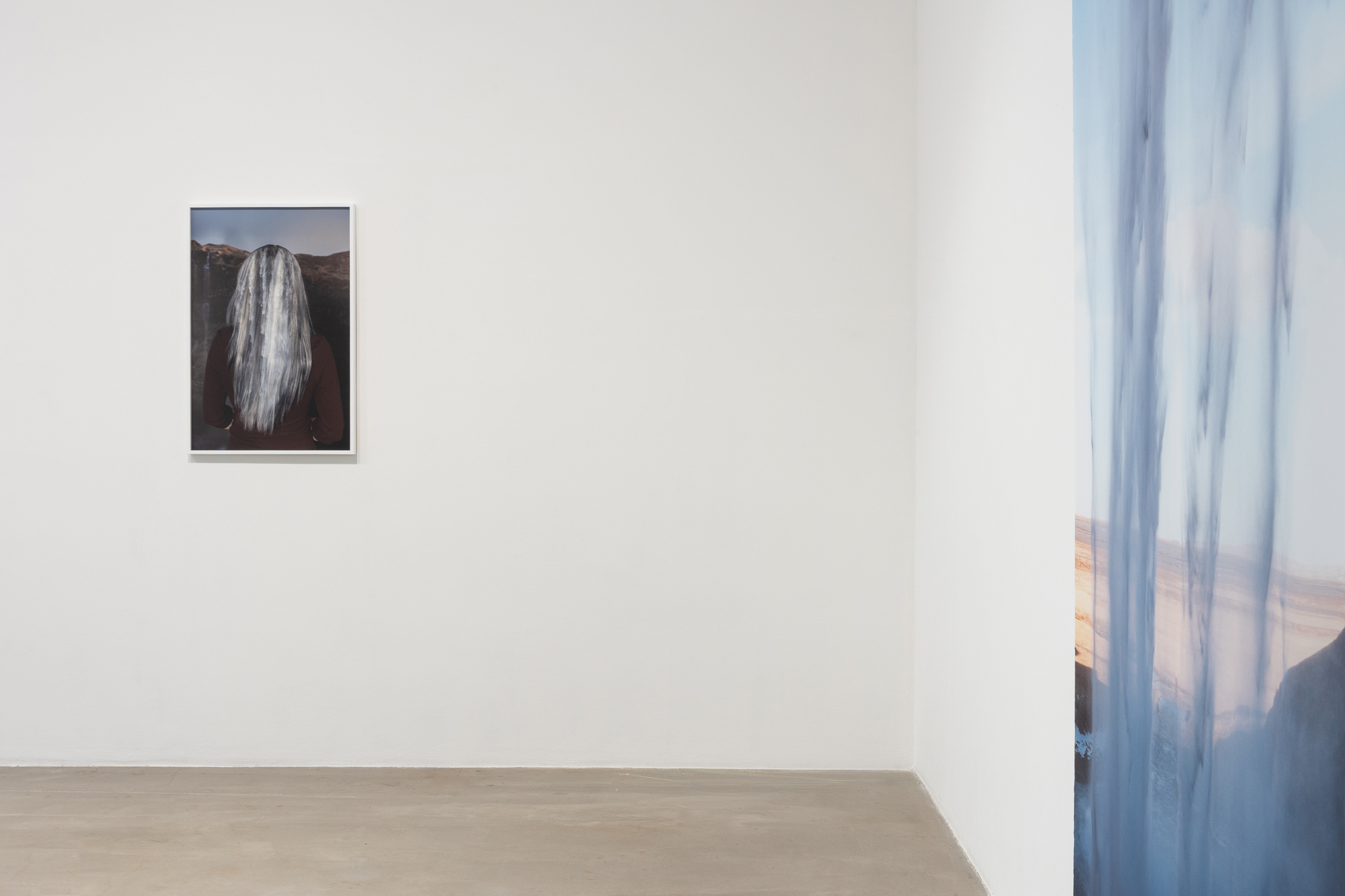
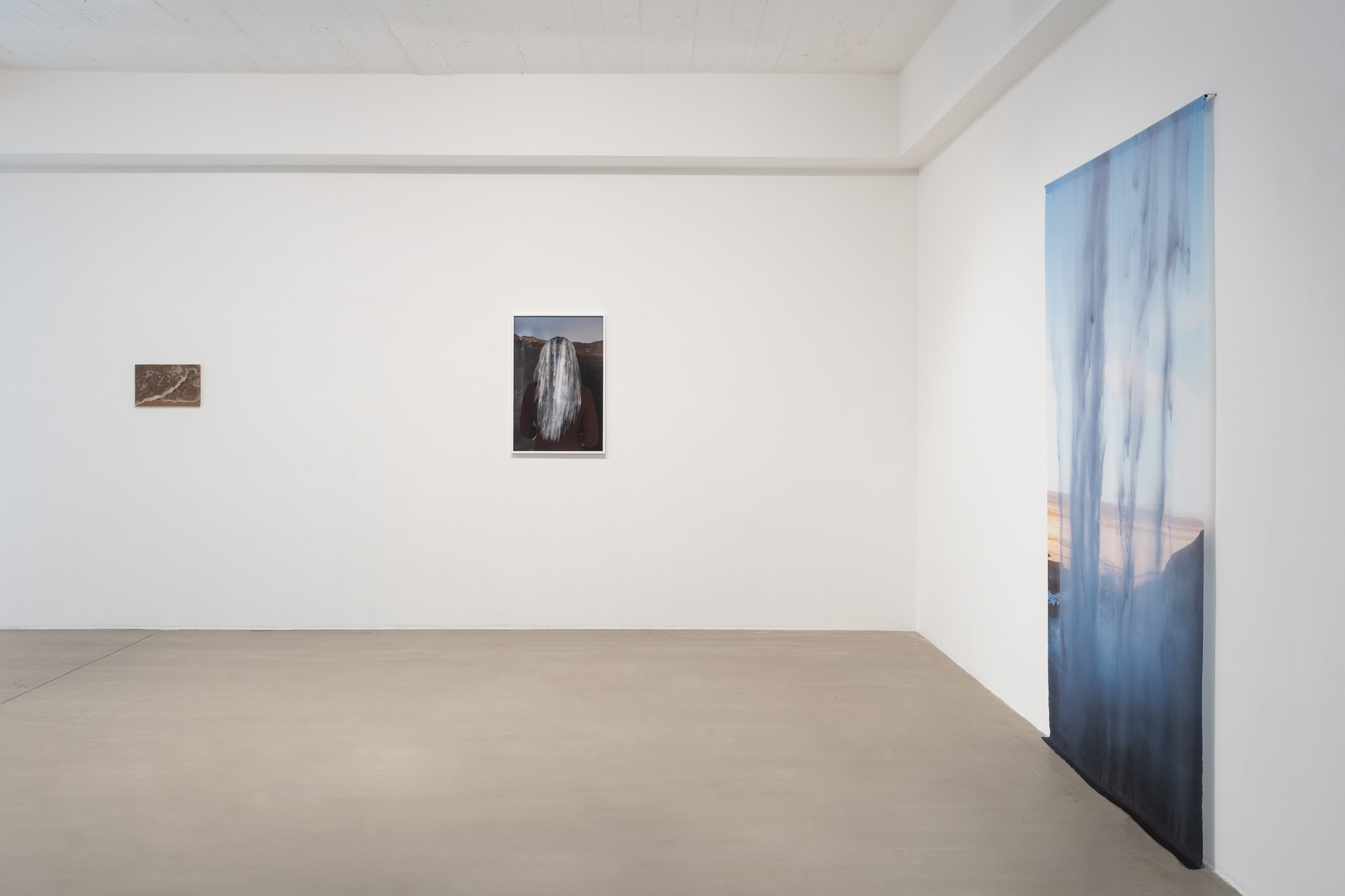
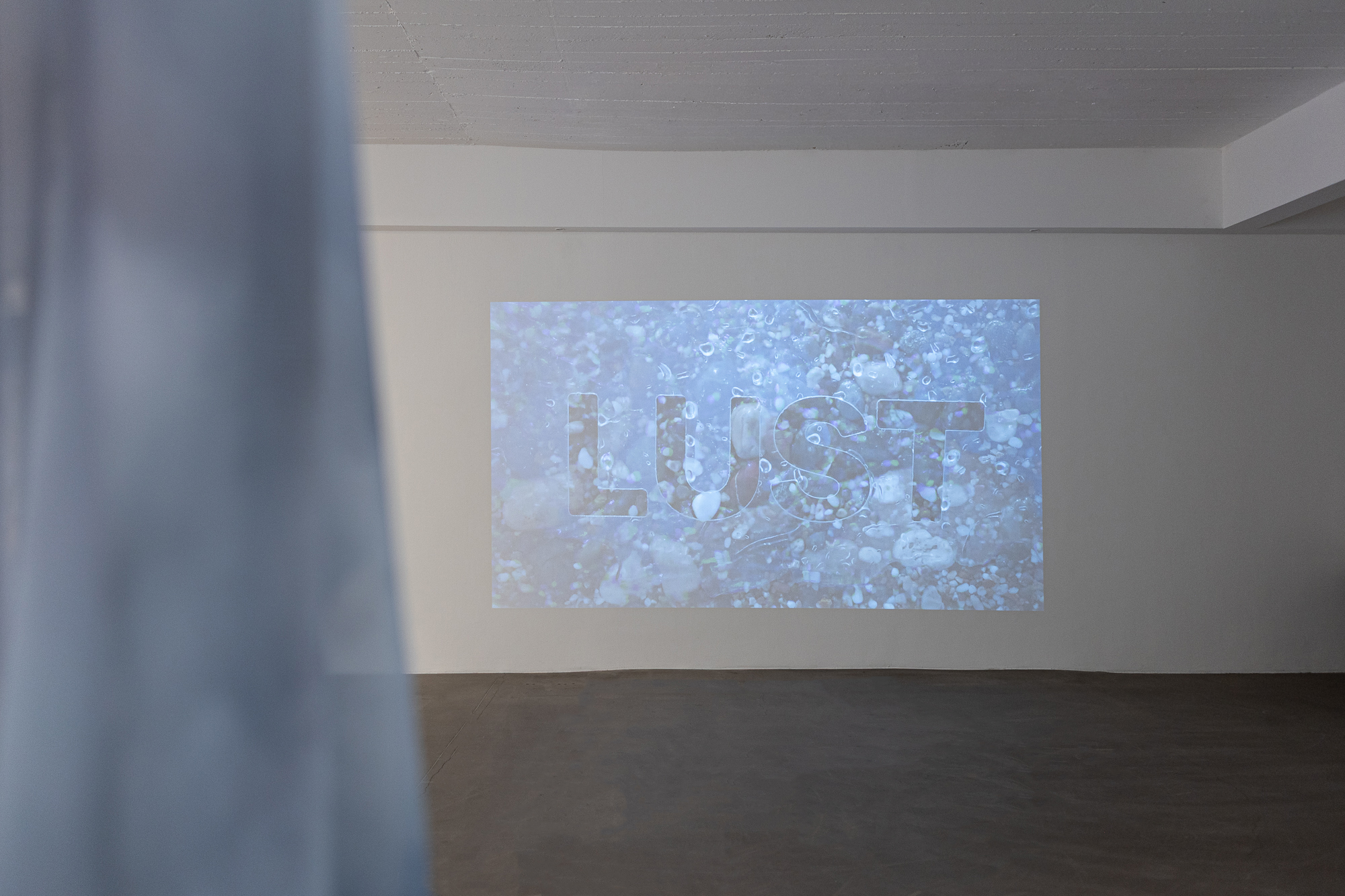
The motif that Lucia Sceranková has explored in her work from the very beginning is water. She understands it as a mutable principle. She is fascinated by its visual mutability, boundless fluidity, and possibilities for metaphorical interpretation. While in her previous series, Heart Seas, we were able to feel the power of its flow within our own bodies for the first time through Lucia’s photographs, in this exhibition she delves even deeper into exploring the connection between the elements and the human body. Through her latest series of photographs featured in this exhibition, she deepens her own—and, along with it, our own—experience by adding another dimension.
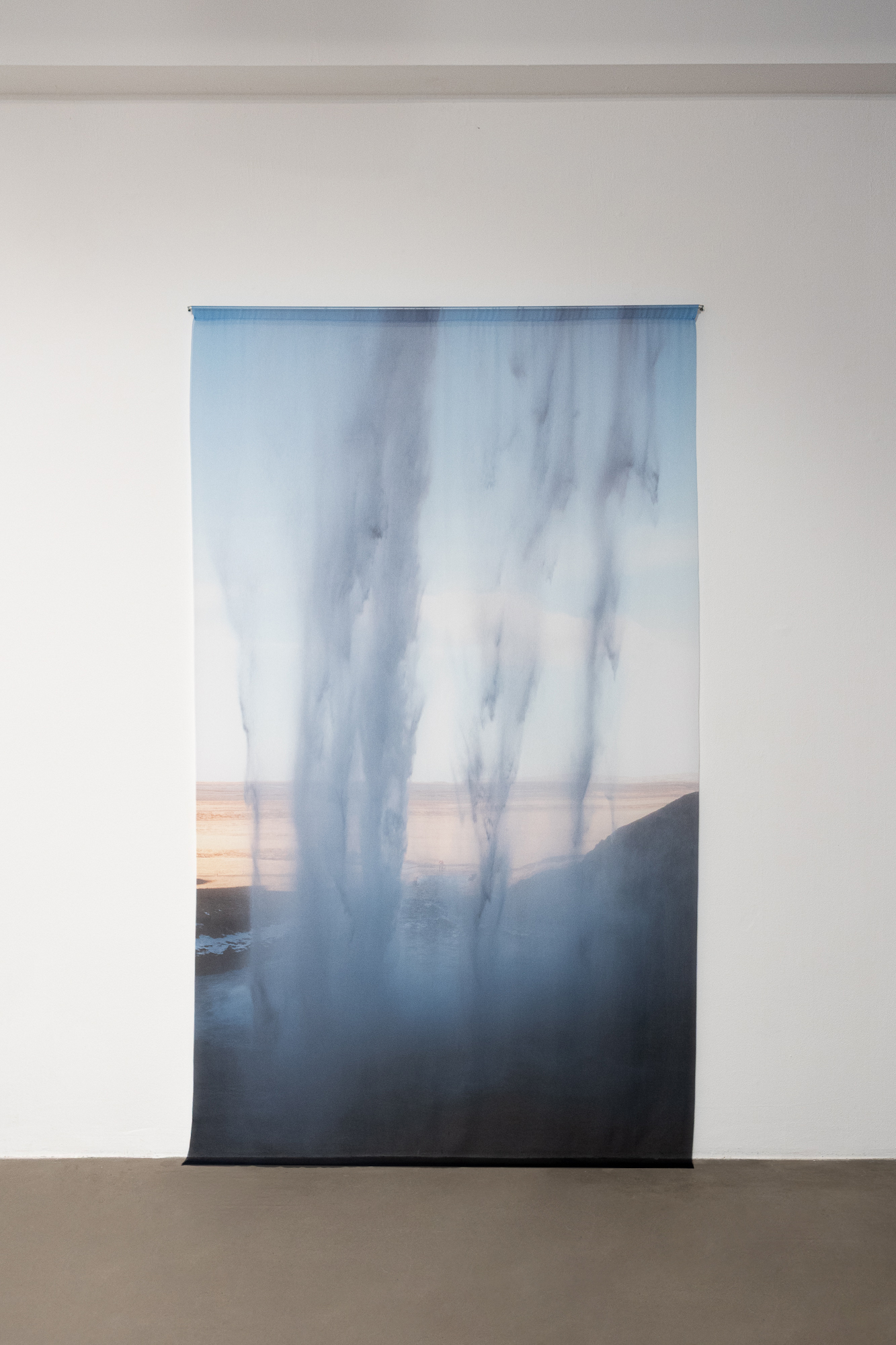
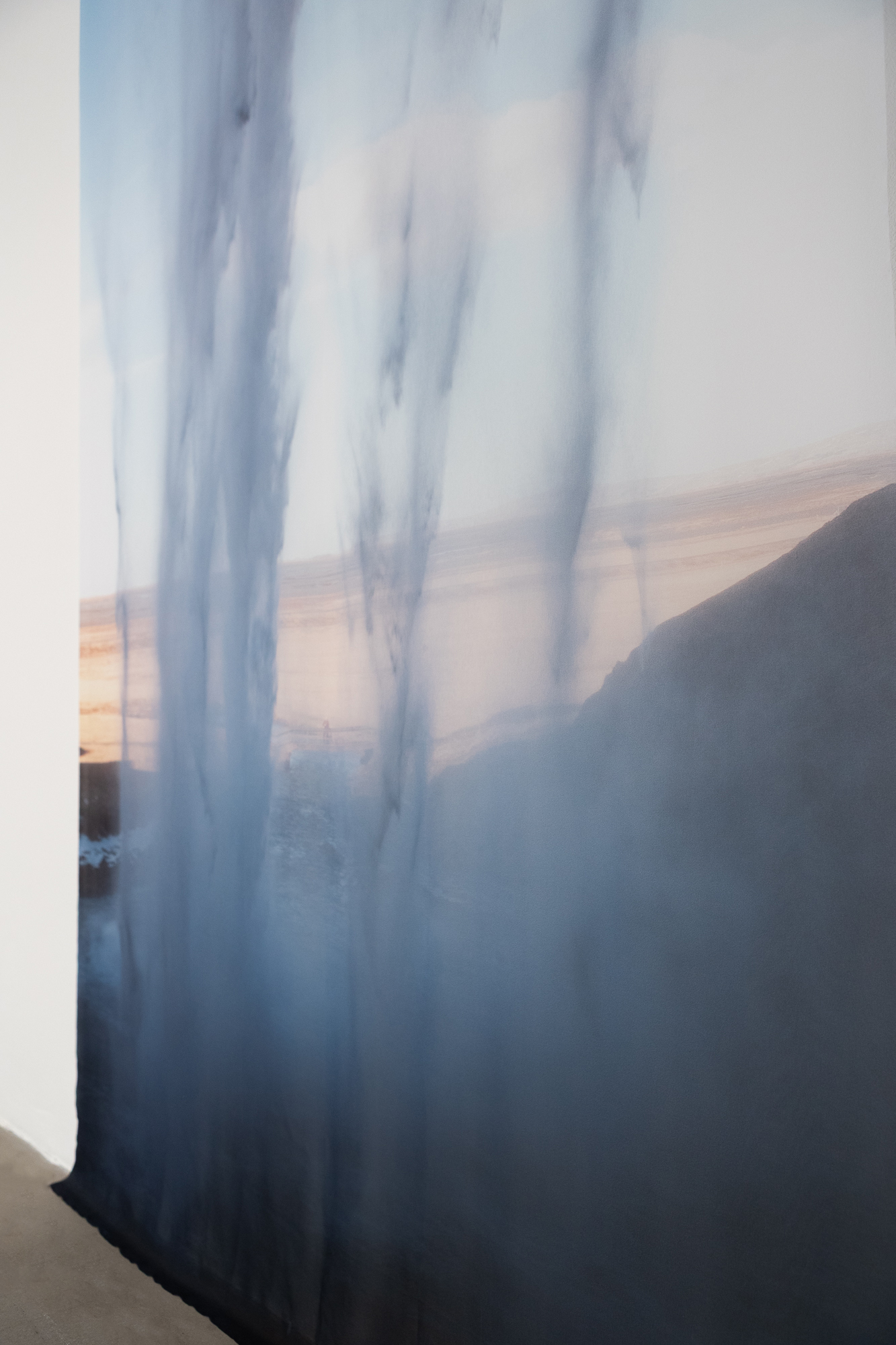
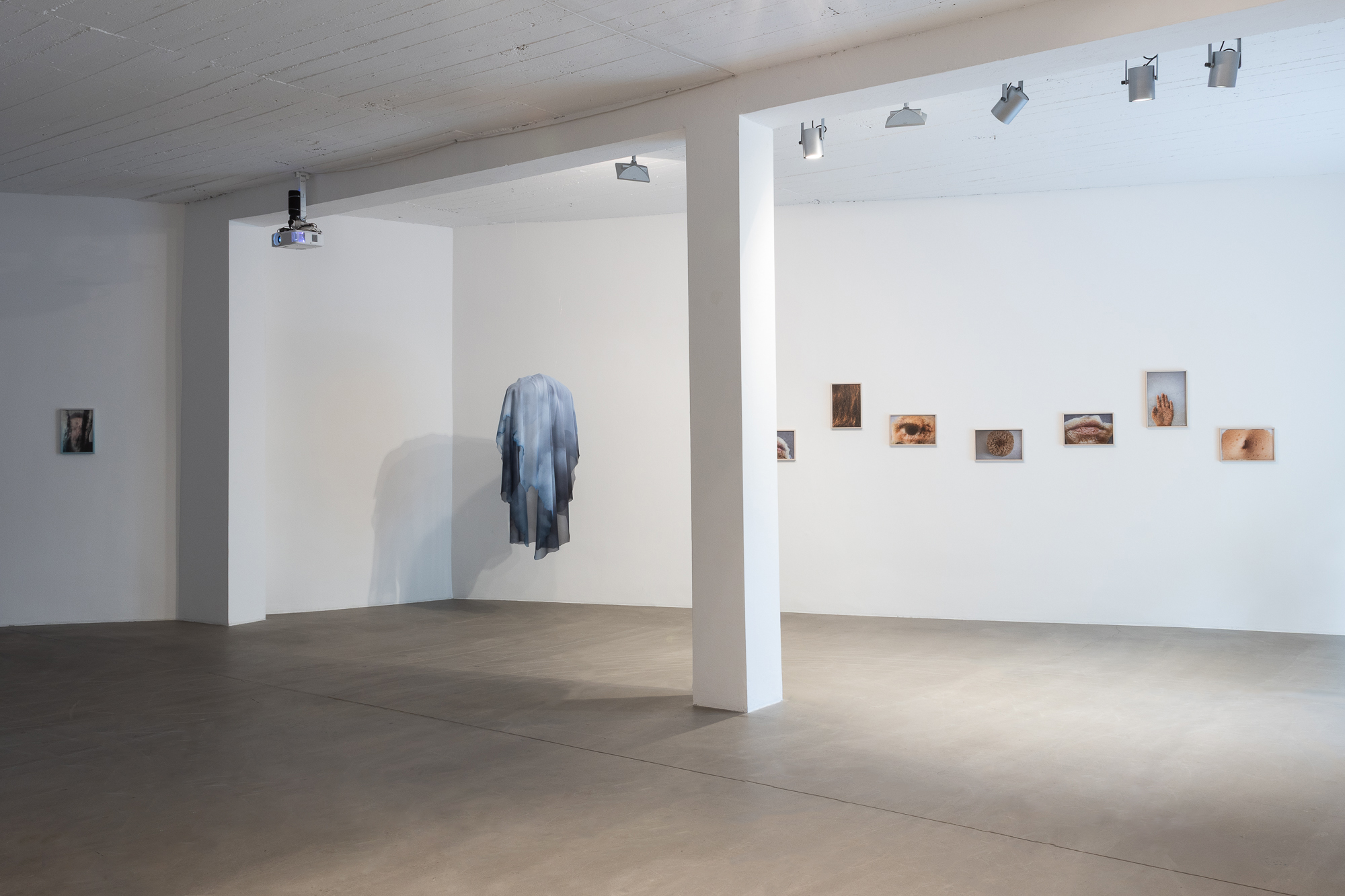
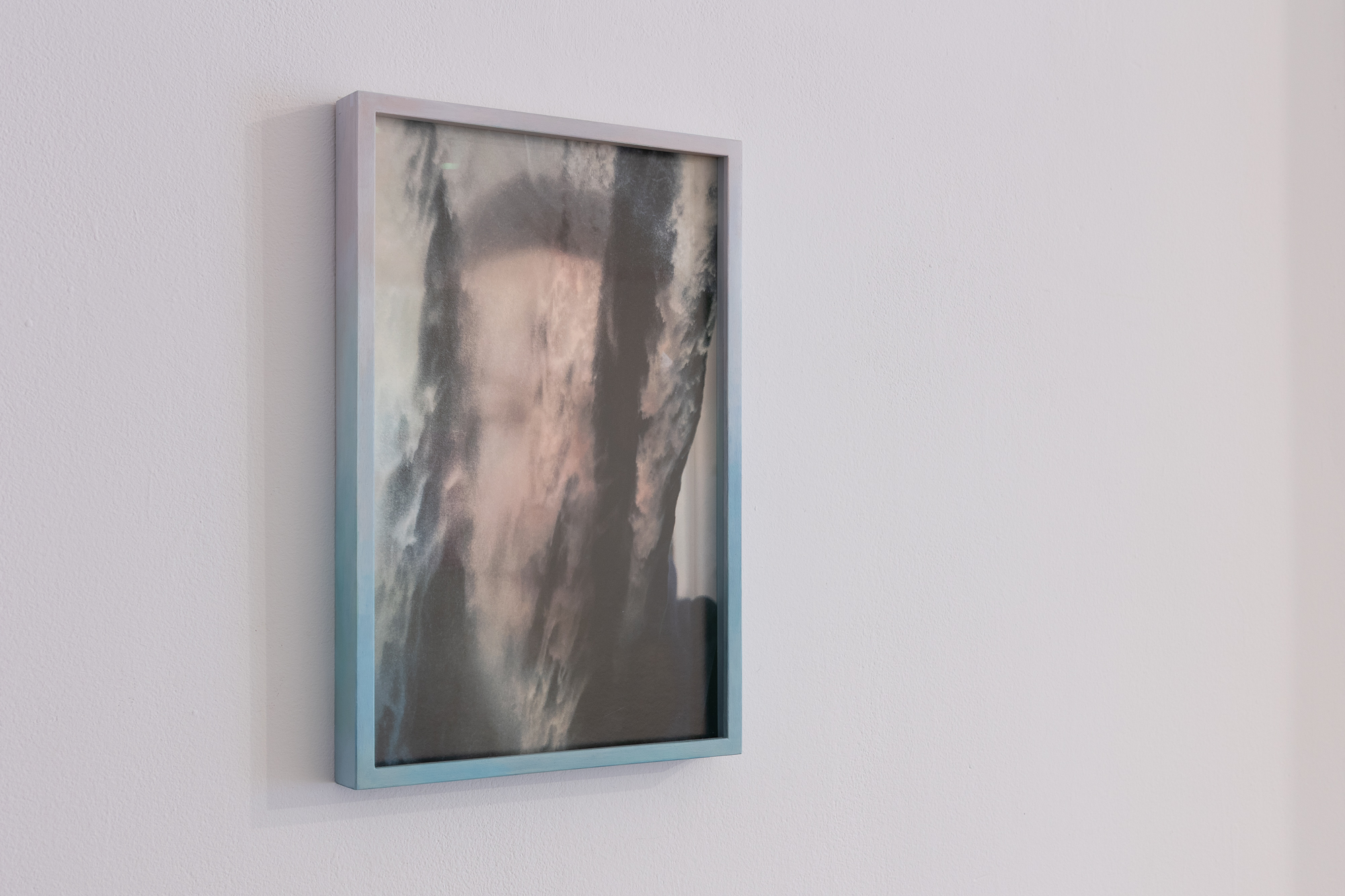
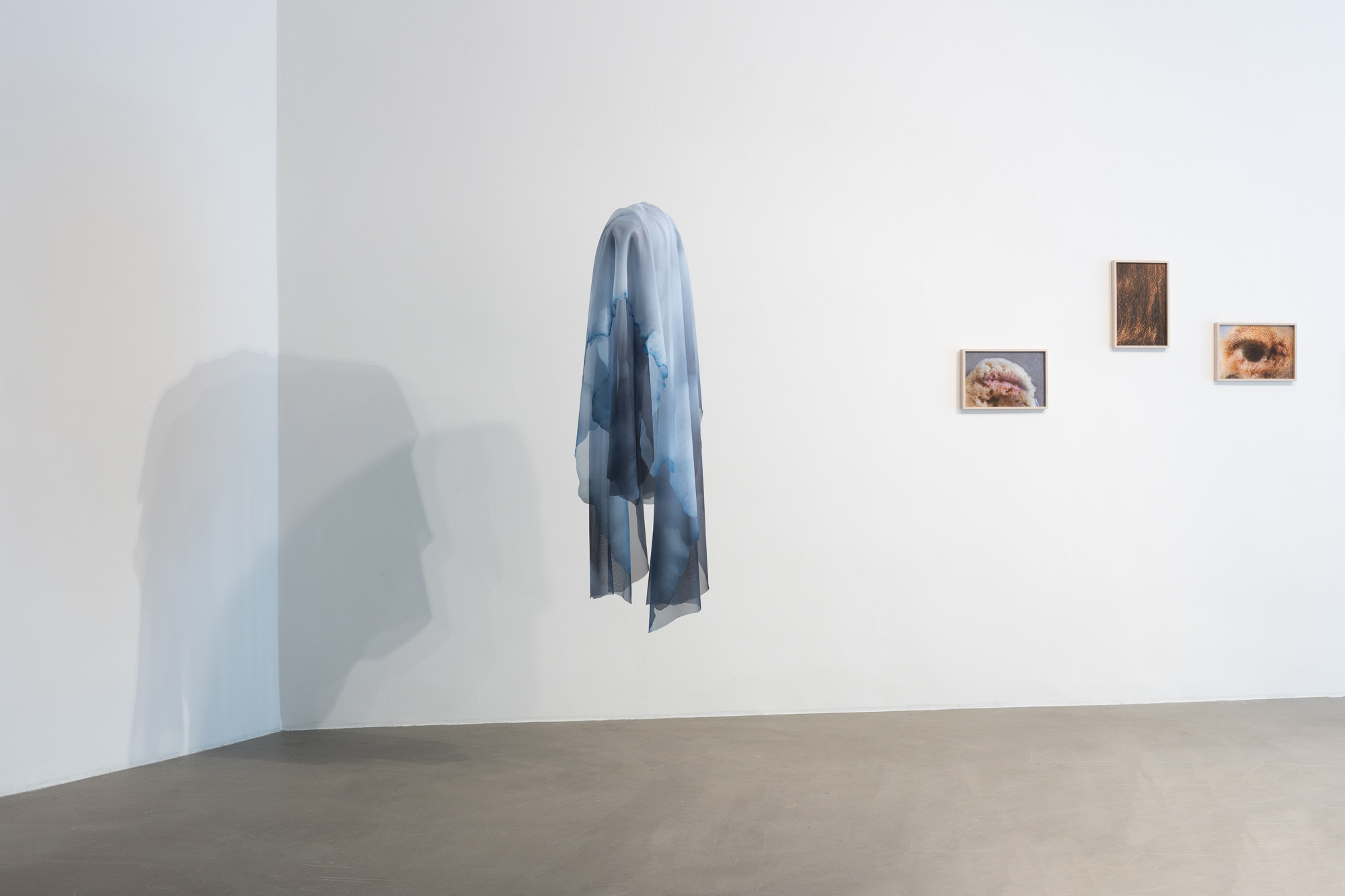
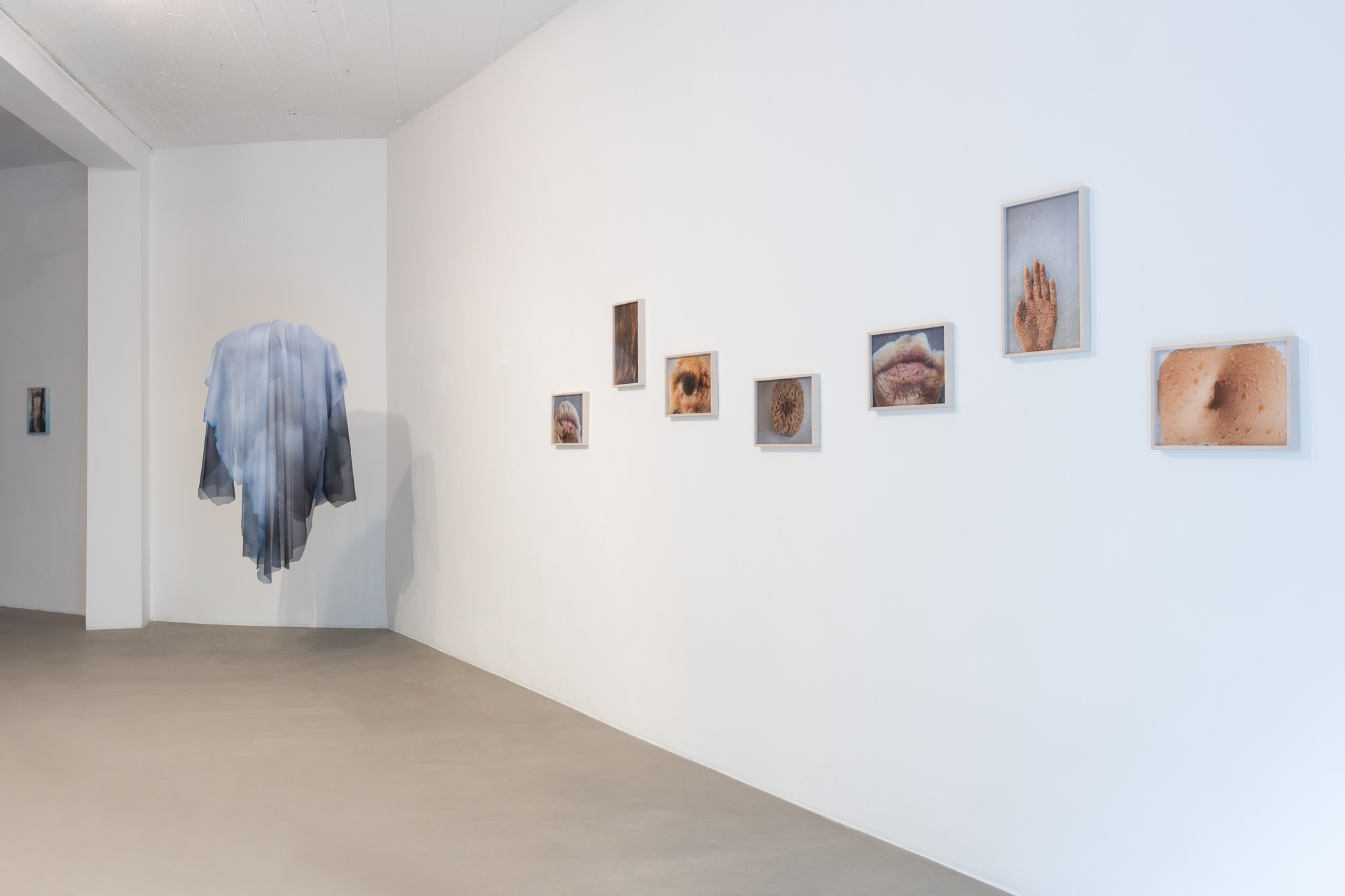
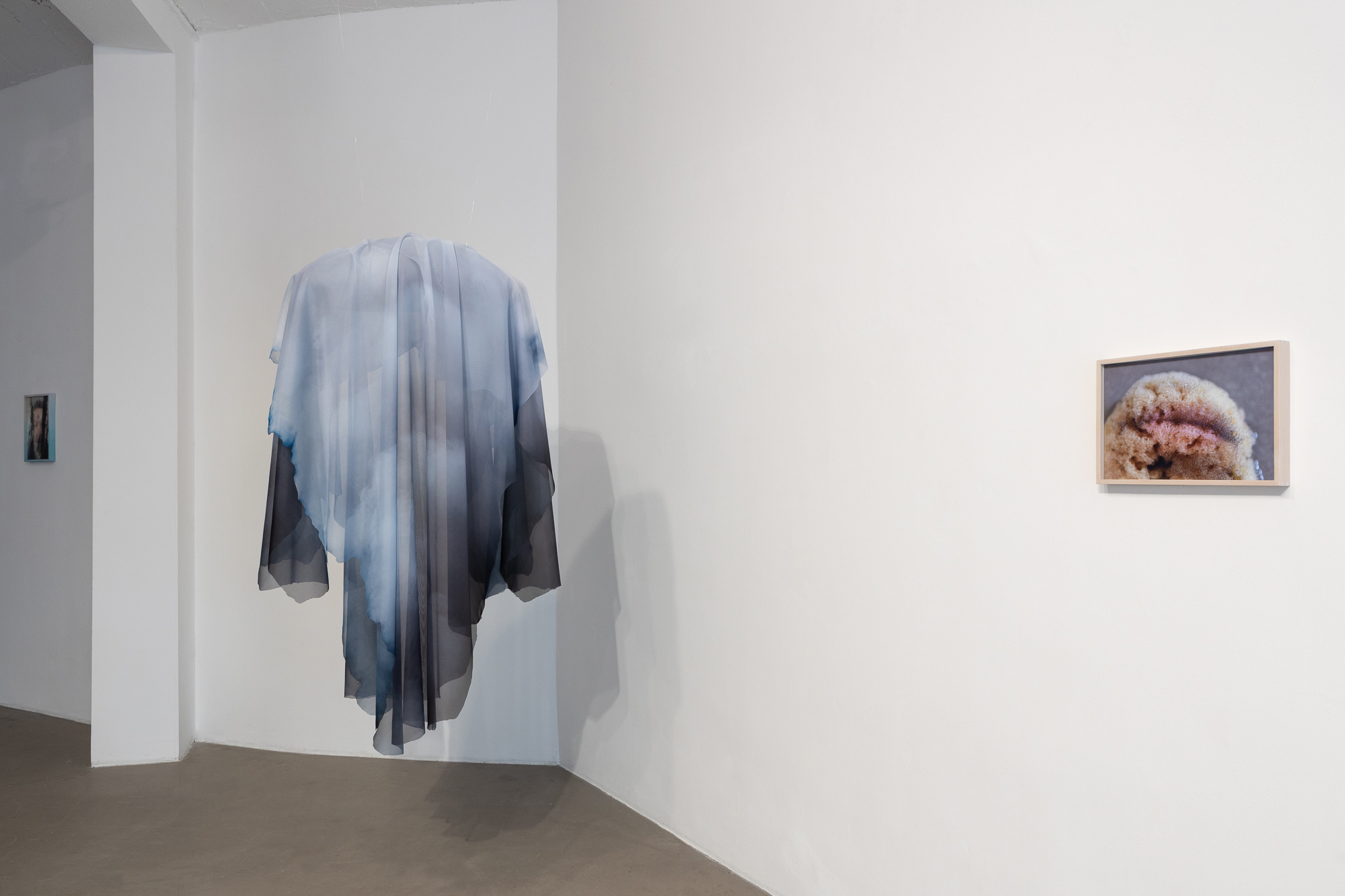
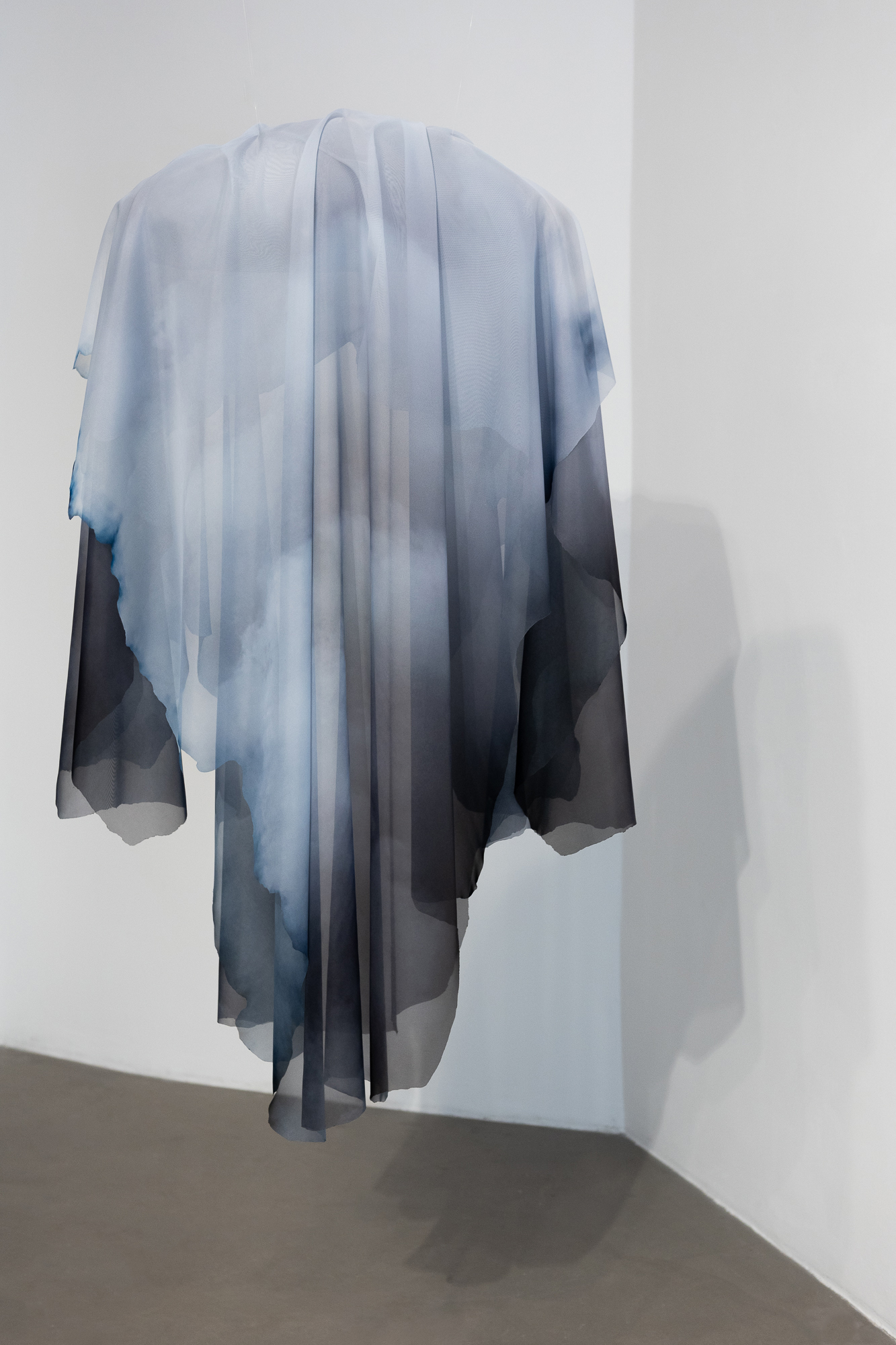
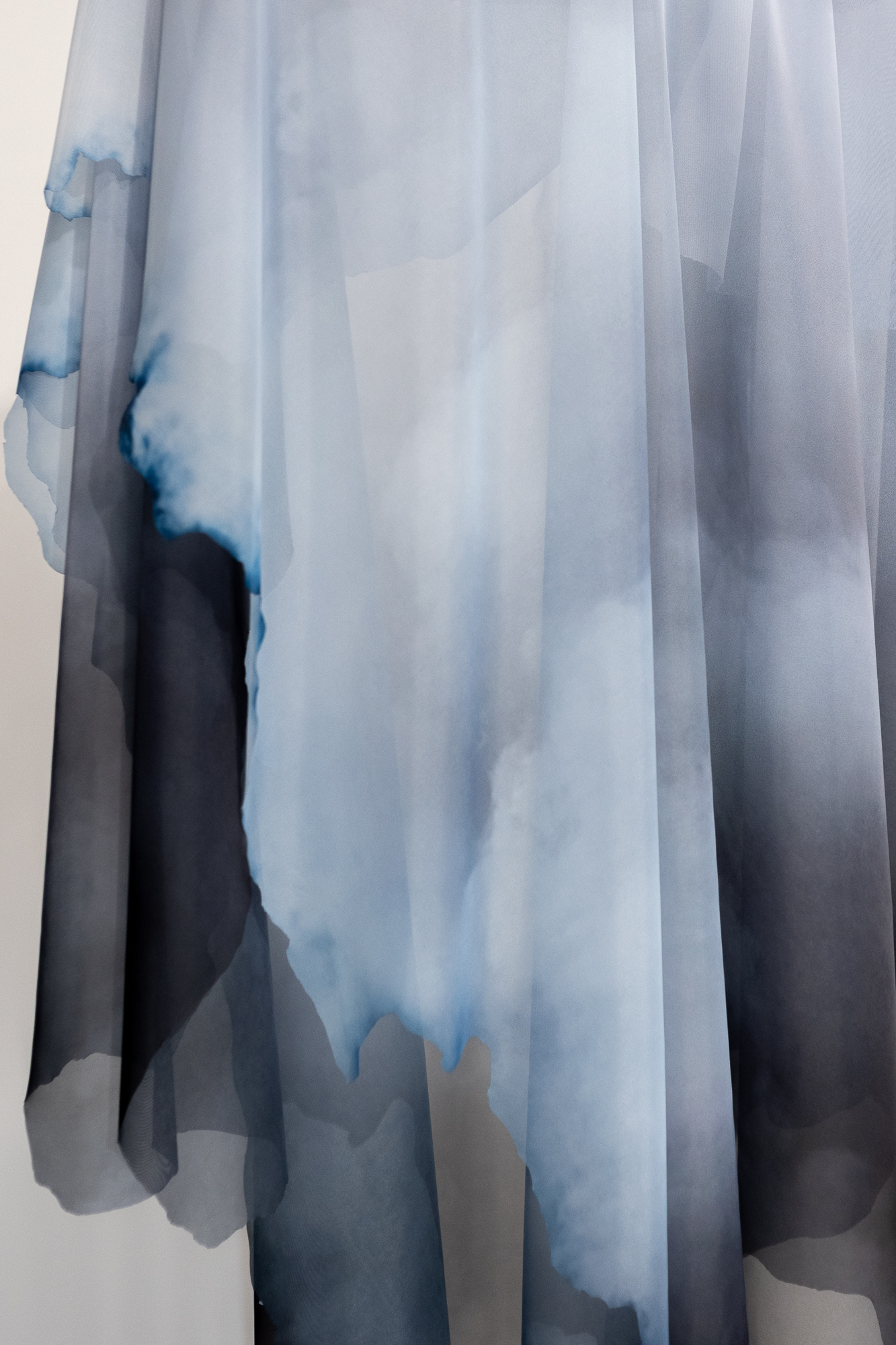
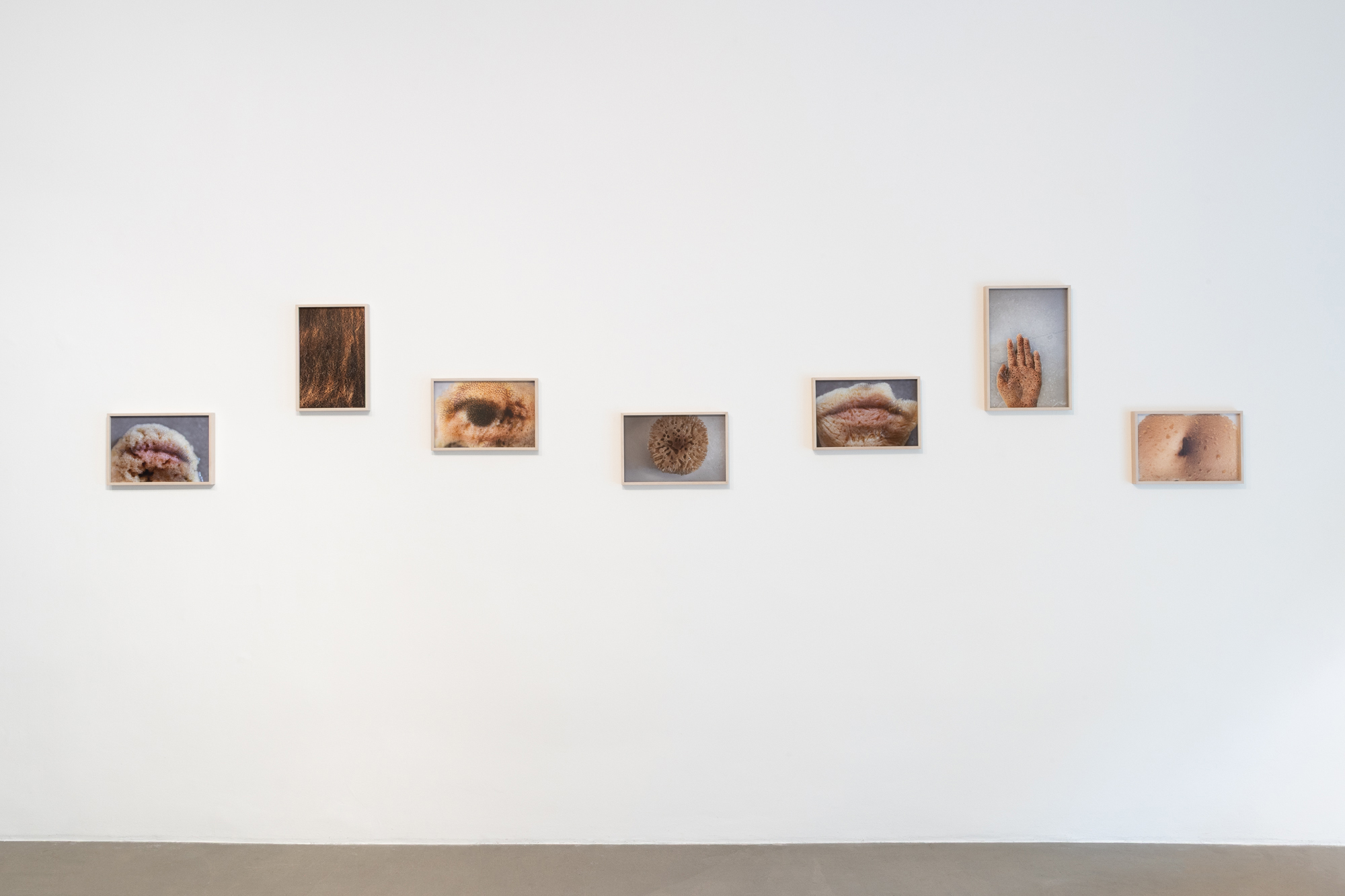
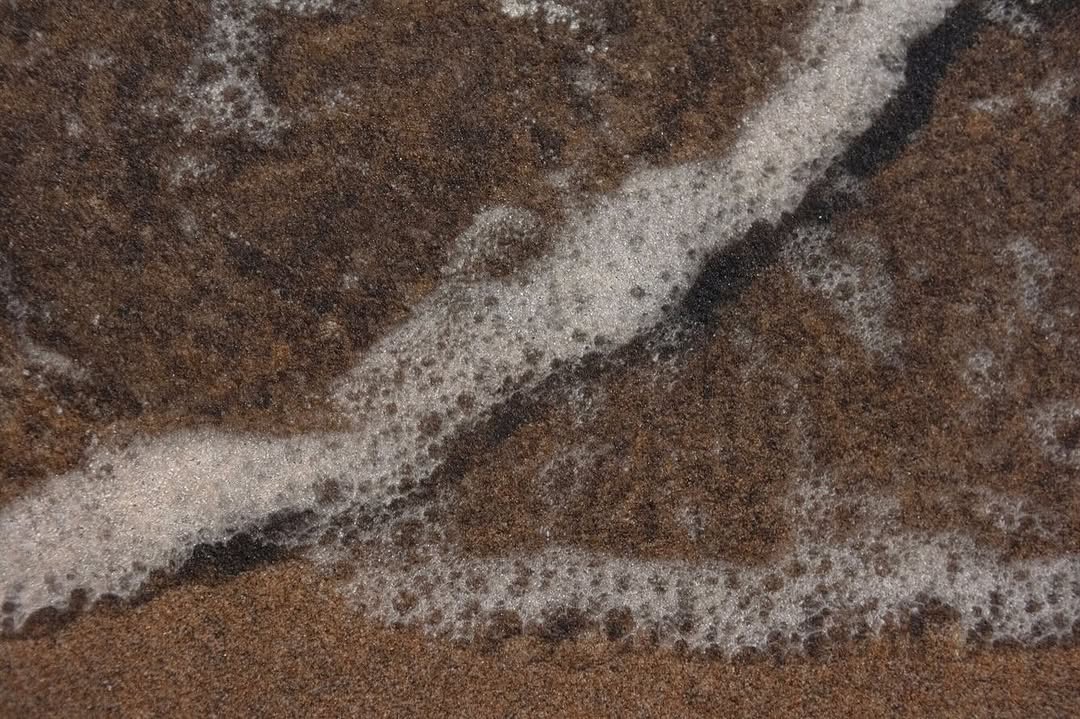
The sponges captured in her photographs seem to evoke tactile associations, as if we could feel their resilient texture between our fingers. We perceive their water-soaked structure, their fragile balance, and their internal tension. They give the impression that a single touch or the pressure of a finger could cause all the absorbed water to gush out. The eye captured in one of them sheds a large salty tear, which runs down the dewy, porous skin to moist lips and returns to the circulation of bodily fluids—it soaks in, merges with the flow, and then leaves the body in the form of sweat or saliva, connecting with you in a fleeting touch, evaporating. It changes its state just as in the individual photographs in the exhibition. Always different, yet always the same—water. Sometimes it envelops you like smoke rising from wet wood; at other times, its veil shifts the perspective of your gaze. It soothes in the waves of the ocean tide, making you feel gravity in your own body. Like energy, it flows through the exhibition, nourishing the imagination and feeding the mind. It brings an experience that touches us. Often, unexpectedly, in a physical way.
I bet you remember the last time you were burning damp leaves and the wind shifted, blowing the smoke your way. How it enveloped you, wrapping you like an intangible shirt. Until it took your breath away and made your head spin… And then you could still feel it on your skin for a long time. As if it had permeated your entire being. Only the water from your hot evening bath washed it away, and along with it, the fatigue from that endless day when you feel like a wrung-out sponge. You submerge yourself under the water. At first, the bubbles tickle your ears. Then water fills the spaces they’ve just vacated. You soak it in through every pore, down to the very last one. You become it, and it becomes you. Where does it end, and where does it begin?
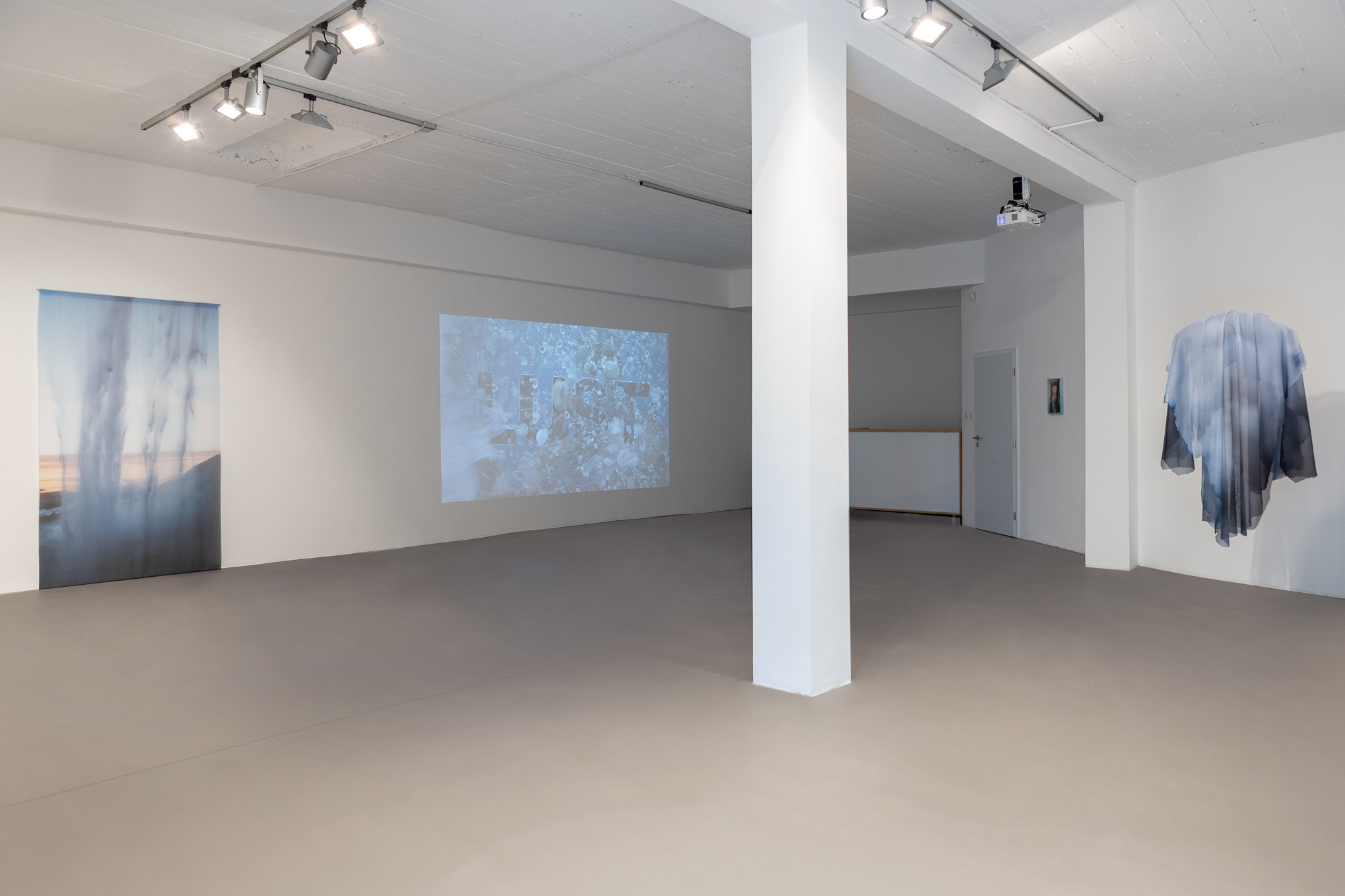
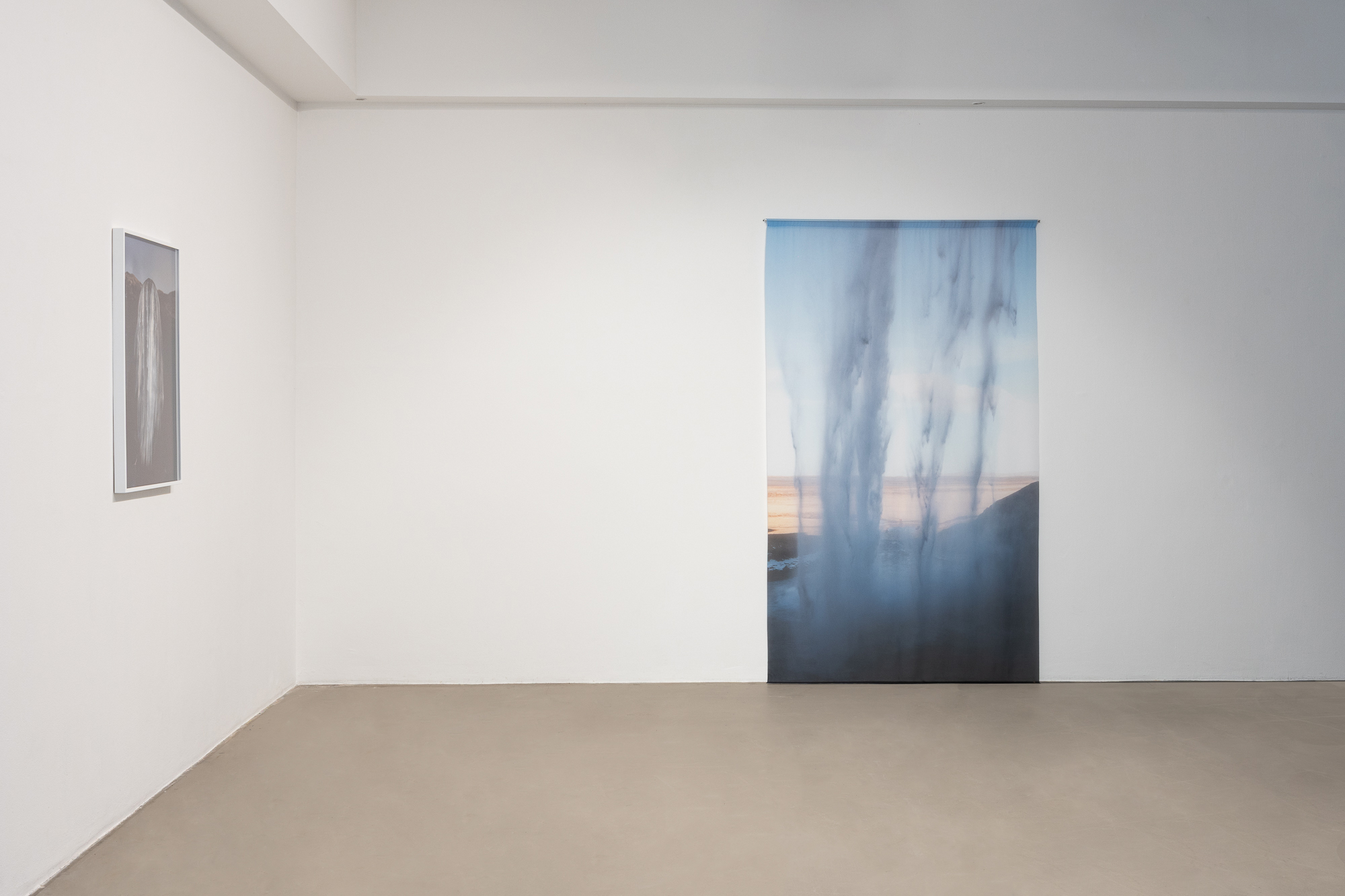
Do these images evoke such intense emotions in us precisely because we are largely made of water? And by what means does the artist manage to evoke them? Is it because she thinks through her photographs down to the smallest detail? Because in her work, everything is connected to everything else? The choice of subject, paper, and material, which speaks through its physical qualities—it “speaks” through the image. But also the chosen scale, the method of the final presentation, and the lighting. Each of these aspects adds another dimension, intertwining in a resulting synergy, deepening the experience and expanding the field of emotional resonance. Can such awakenings of our own sensitivity lead us to a shift in thinking and an awareness of our mutual interconnectedness? / Nina Moravcová
The artist would like to express her gratitude :
Silvia Van Espen, Jozef Zahorian, Tomáš Kmeť, Lucia Račková, Nina Moravcová, Lukáš Latta, Ľubomír Nagy, Janka Hajduová, András Cséfalvay, Róbert Slovák, Jana Hojstričová and Marián Grolmus
Žijeme v době velkých změn. Odehrávají se na pozadí každodenních situací. Na první pohled neviditelné, a přesto se o nich často mluví — mezi mnou a tebou, na stránkách novin, v rádiu i na televizních obrazovkách. Řečí čísel, grafů a pojmů, pod kterými si často nedokážeme nic představit, působivých obrazů destrukce i prázdných frází. Smysl jako by nám ale stále unikal. Pokud bychom porozuměli, chovali bychom se jinak. Táhli bychom už dávno za jeden provaz. Vždyť v sázce není nic menšího než klid, bezpečí a náš vlastní domov — prostředí, ve kterém žijeme. O to tu přece běží.
Co nás tedy odvádí od porozumění — okolnímu prostředí, našemu vlastnímu tělu, sobě navzájem? Je to snad tím, že jazyk, kterým bychom dokázali popsat naši současnost, zastarává? Může za to v našich myslích hluboce zakořeněná dichotomie ve vnímání vztahu člověka a přírody? Stojíme nad ní, vedle ní, nebo uprostřed toho všeho? Nebo za to může technologický pokrok, který nám přináší nové poznatky, ale zároveň nás odvádí od porozumění? Nejsou to právě poznatky současné vědy, které nás upomínají na skutečnost, že vše se vším souvisí? Jak přesvědčit sebe samé o tom, že tomu tak skutečně je? Popsat nestačí. Jazyk, zdá se, selhává. Je možné najít alternativní komunikační kód? A může být takovým kódem umění, které komunikuje jinak, než jsme zvyklí? Nebo je třeba vše prožít na vlastní kůži? Znovu a znovu. Dospějeme teprve pak k přesvědčení, porozumění a potřebě sdílet naši zkušenost a posunout se dál?
Může být právě prožitek zprostředkovaný skrze umění spouštěčem možné změny? Právě tímto směrem míří moje úvaha. Hluboký prožitek vlastní tělesné podstaty stojí i v pozadí výstavy The Raindrop That Lost Its Water Lucii Scerankové. Vychází ze zkušenosti organismu vychýleného ze své rovnováhy, schránky přeplněné až po okraj, z pocitu diskomfortu vzešlého z narušení synergie.
Motivem, který Lucia Sceranková ve své tvorbě sleduje od samého počátku, je voda. Chápe ji jako proměnlivý princip. Fascinuje ji svou vizuální proměnlivostí, bezbřehou příměrovostí i možnostmi metaforického čtení. Zatímco v předchozím cyklu Heart seas jsme skrze Luciiny fotografie mohli poprvé pocítit sílu jejího proudění ve vlastním těle, v této výstavě se ve zkoumání propojení živlů a lidského těla noří ještě hlouběji. Prostřednictvím svého nejnovějšího cyklu fotografií zastoupených na této výstavě prohlubuje svou, a spolu s ní i naši, zkušenost o další rozměr.
Spongie zachycené na jejích fotografiích jako by vyvolávaly hmatové asociace, jako bychom mezi prsty cítili jejich houževnaté tělo. Vnímáme jejich strukturu nasáklou vodou, křehkou rovnováhu i vnitřní napětí. Vzbuzují dojem, že jediný dotek či tlak prstů může způsobit, že se všechna absorbovaná voda vyřine ven. Oko zachycené na jedné z nich uroní velkou slanou slzu, která po orosené pórovité kůži steče na vlhké rty a vrátí se zpět do oběhu tělních tekutin — vsákne se, spojí se s proudem a pak opustí tělo v podobě potu či slin, letmým dotykem se spojí s tebou, vypaří se. Změní skupenství tak jako na jednotlivých fotografiích ve výstavě. Pokaždé jiná, stále tatáž — voda. Jednou tě obejme jako dým stoupající z mokrého dřeva, jindy její clona změní perspektivu tvého pohledu. Konejší ve vlnách mořského přílivu, dává pocítit gravitaci ve vlastním těle. Jako energie proudí výstavou, vyživuje imaginaci a sytí představivost. Přináší prožitek, který se nás dotýká. Mnohdy až nečekaně fyzicky.
Vsadím se, že si pamatuješ, jak se naposledy při pálení vlhkého listí obrátil vítr a zavál k tobě dým. Jak tě obejmul, zahalil jako do nehmotné košile. Až se ti z toho všeho zatajil dech a zatočila hlava … A pak byl ještě dlouho cítit na kůži. Jako by jí celou prostoupil. Odnesla ho až voda z horké večerní koupele a spolu s ním odplavila únavu po tom celém nekonečném dni, kdy si připadáš jako vyždímaná houba. Noříš se pod vodu. Nejdřív tě šimrají bublinky v uších. Pak se na jejich právě uvolněná místa dostává voda. Nasáváš ji všemi póry až do toho posledního. Stáváš se jí a ona tebou. Kde končí a kde začíná?
Přináší nám tyto obrazy tak intenzivní prožitky právě proto, že jsme z velké části tvoření vodou? A jakými prostředky se autorce daří je navodit? Je to proto, že své fotografie promýšlí do nejmenšího detailu? Že v její práci vše souvisí se vším? Volba námětu, papíru i materiálu, který promlouvá prostřednictvím svých fyzických kvalit — „mluví“ skrze obraz. Ale i zvolené měřítko, způsob výsledné prezentace a nasvícení. Každý z těchto aspektů přináší další rozměr, propojuje se ve výslednou synergii, prohlubuje prožitek a rozšiřuje pole emoční rezonance. Mohou nás podobná zjitření vlastní citlivosti dovést ke změně myšlení a vědomí vzájemné sounáležitosti? / Nina Moravcová