
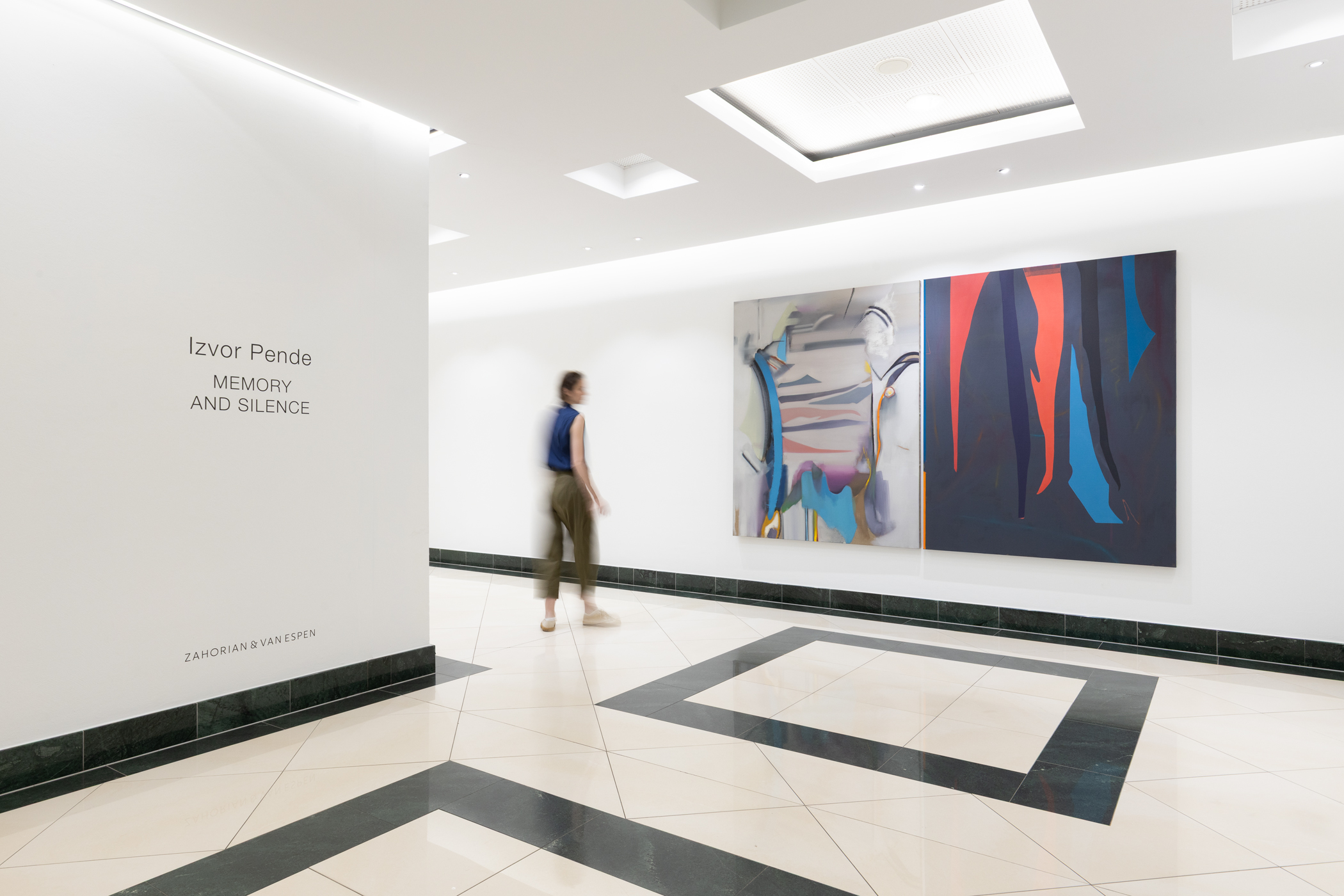
Izvor Pende | Memory and Silence
curated by Silvia Van Espen
5 June – 4 Sep 2026
Zahorian & Van Espen, Carlton Savoy
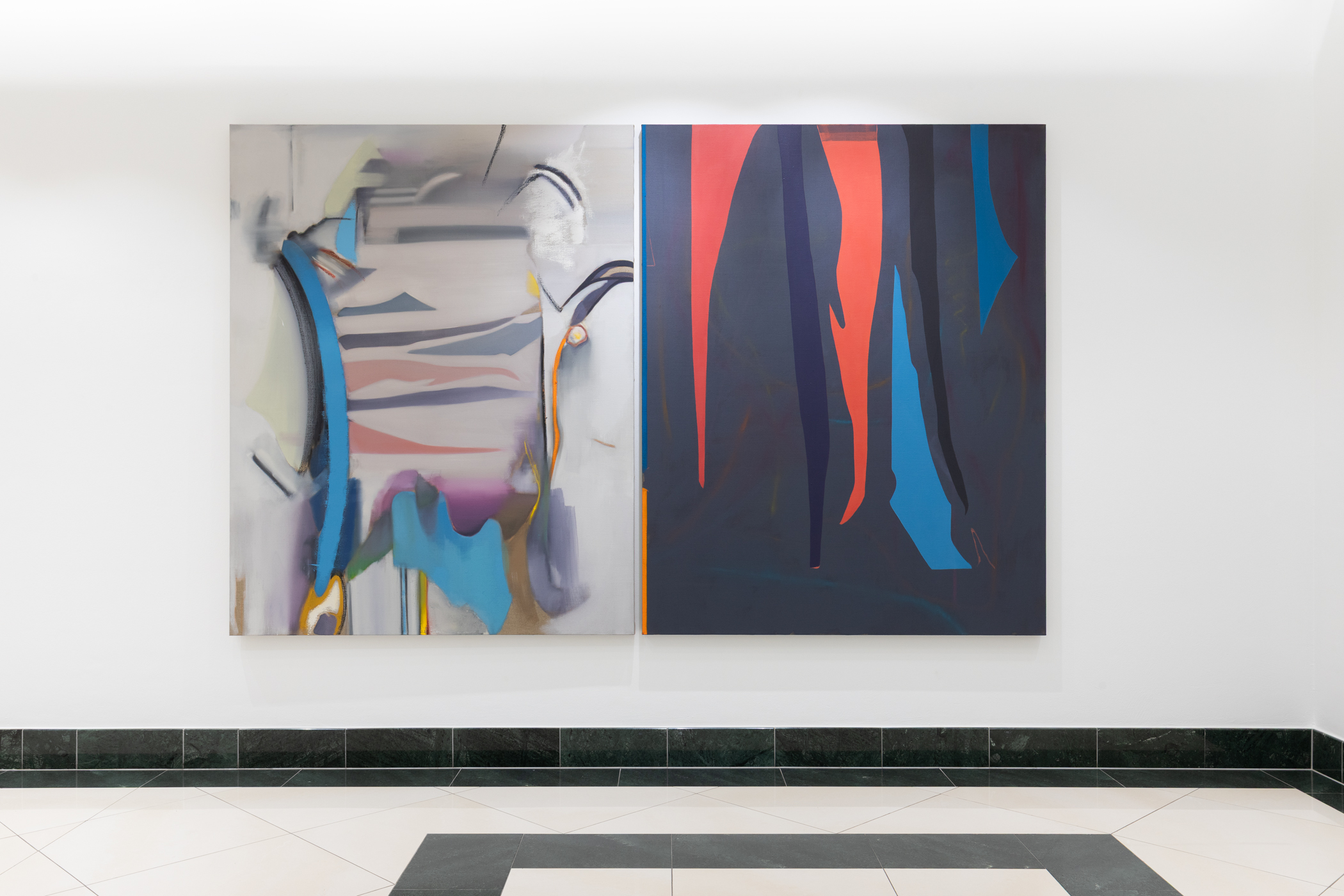
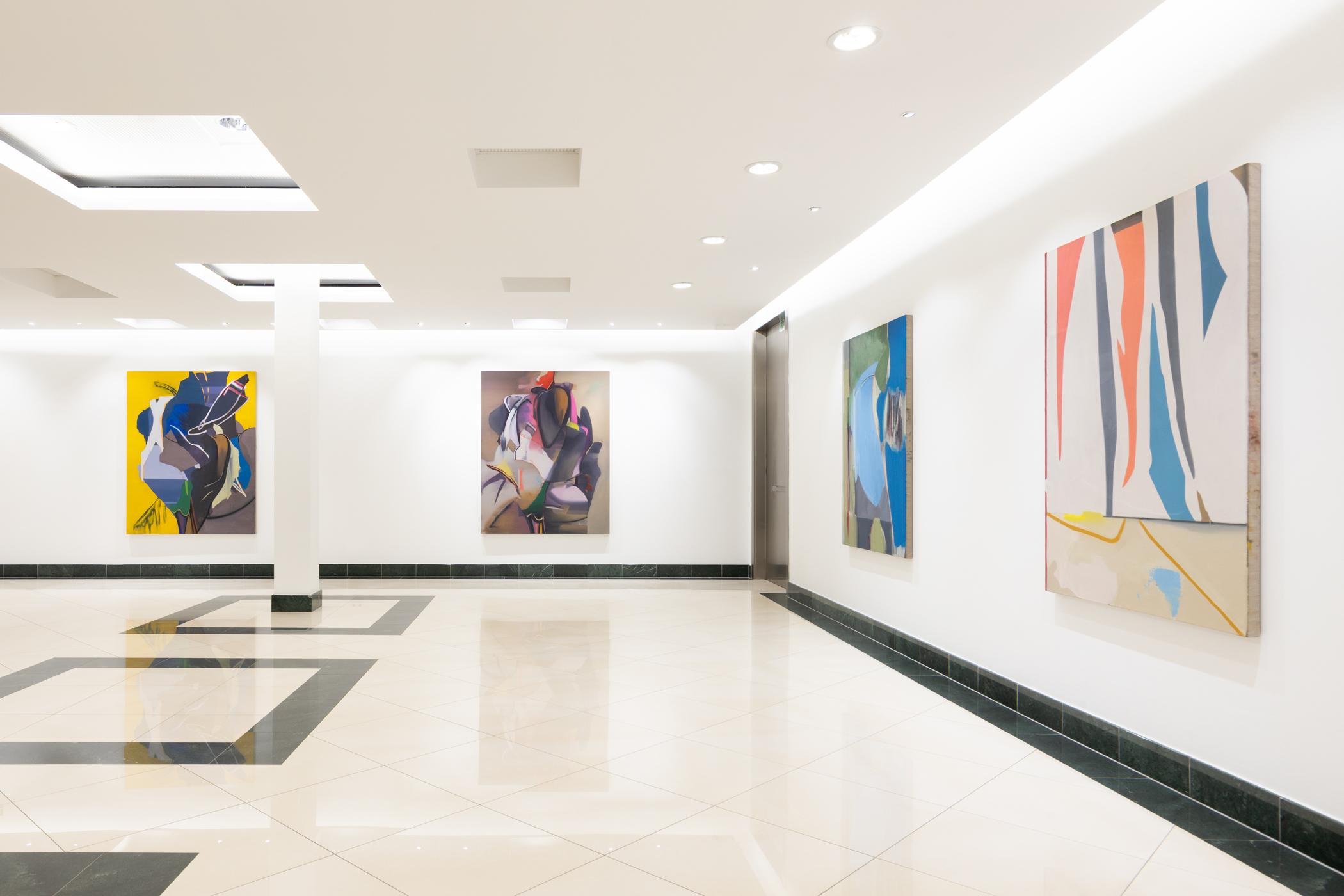
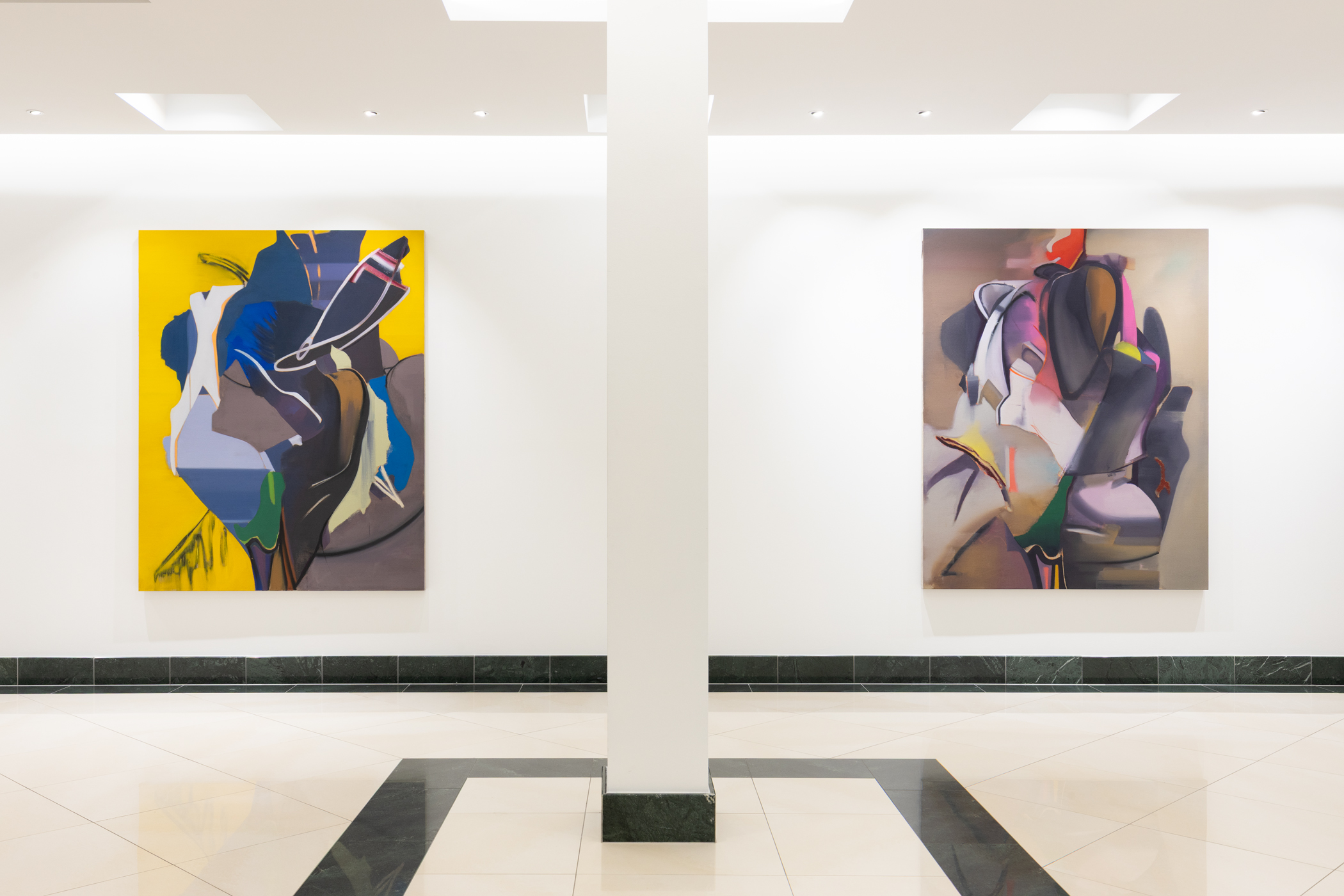
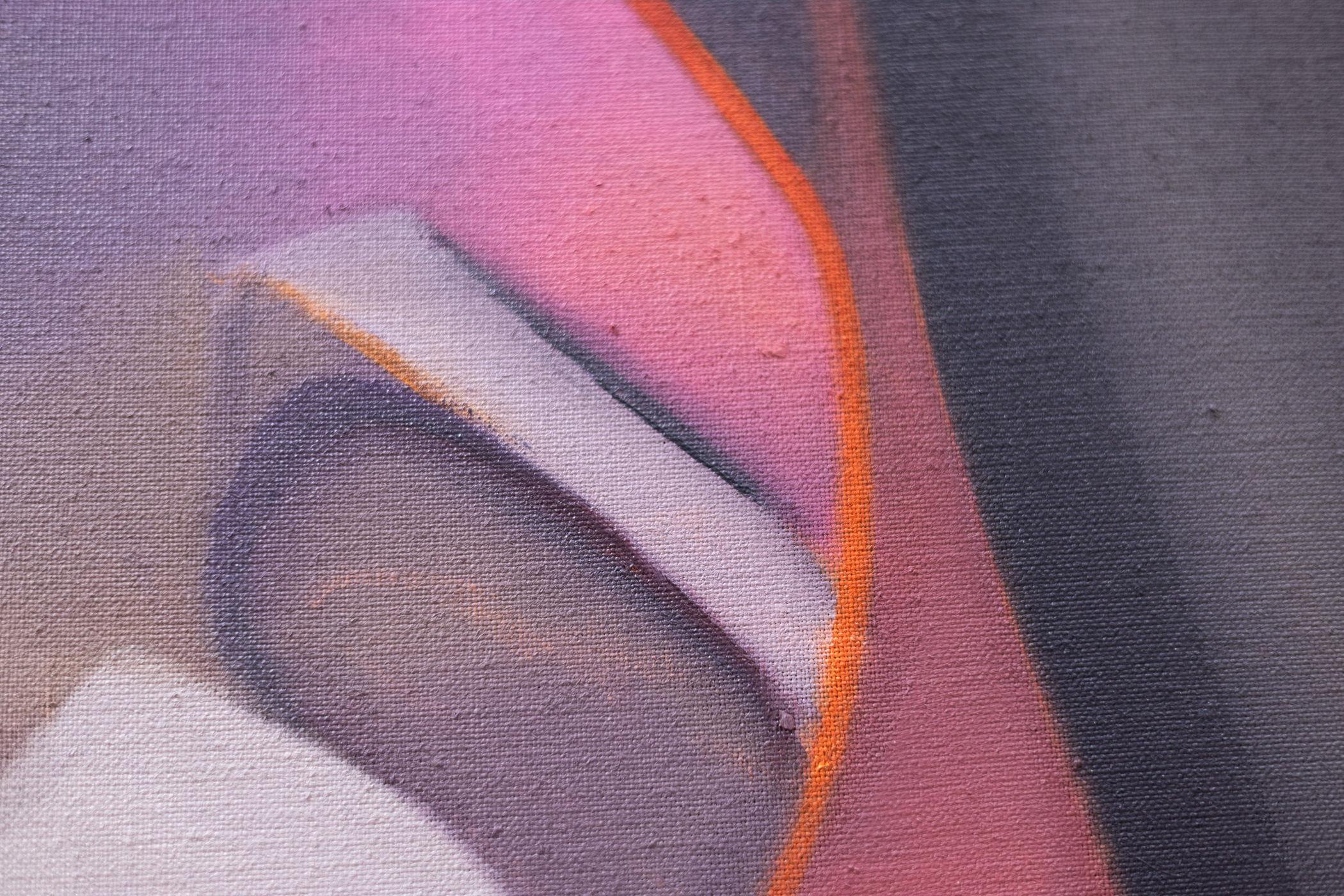
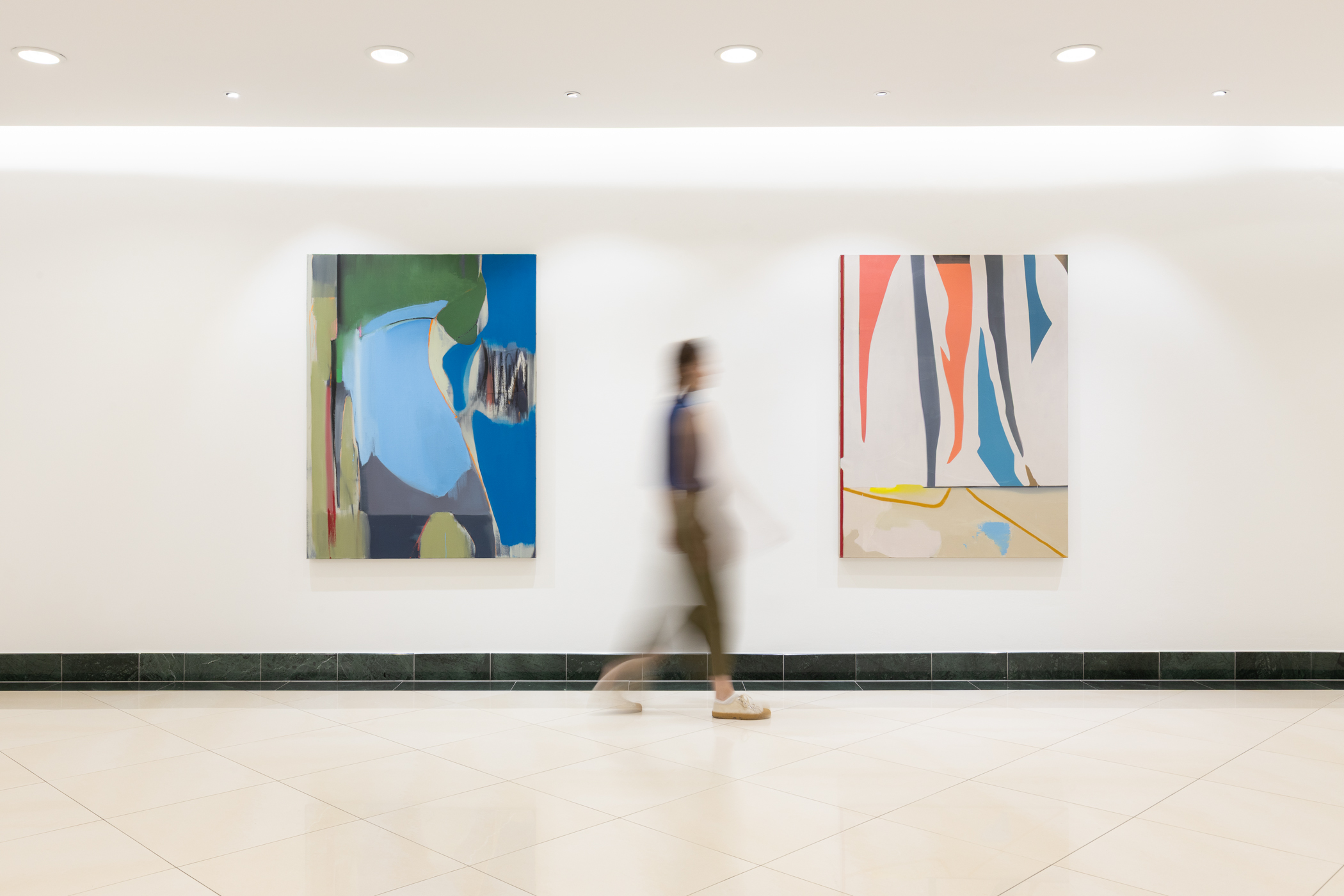
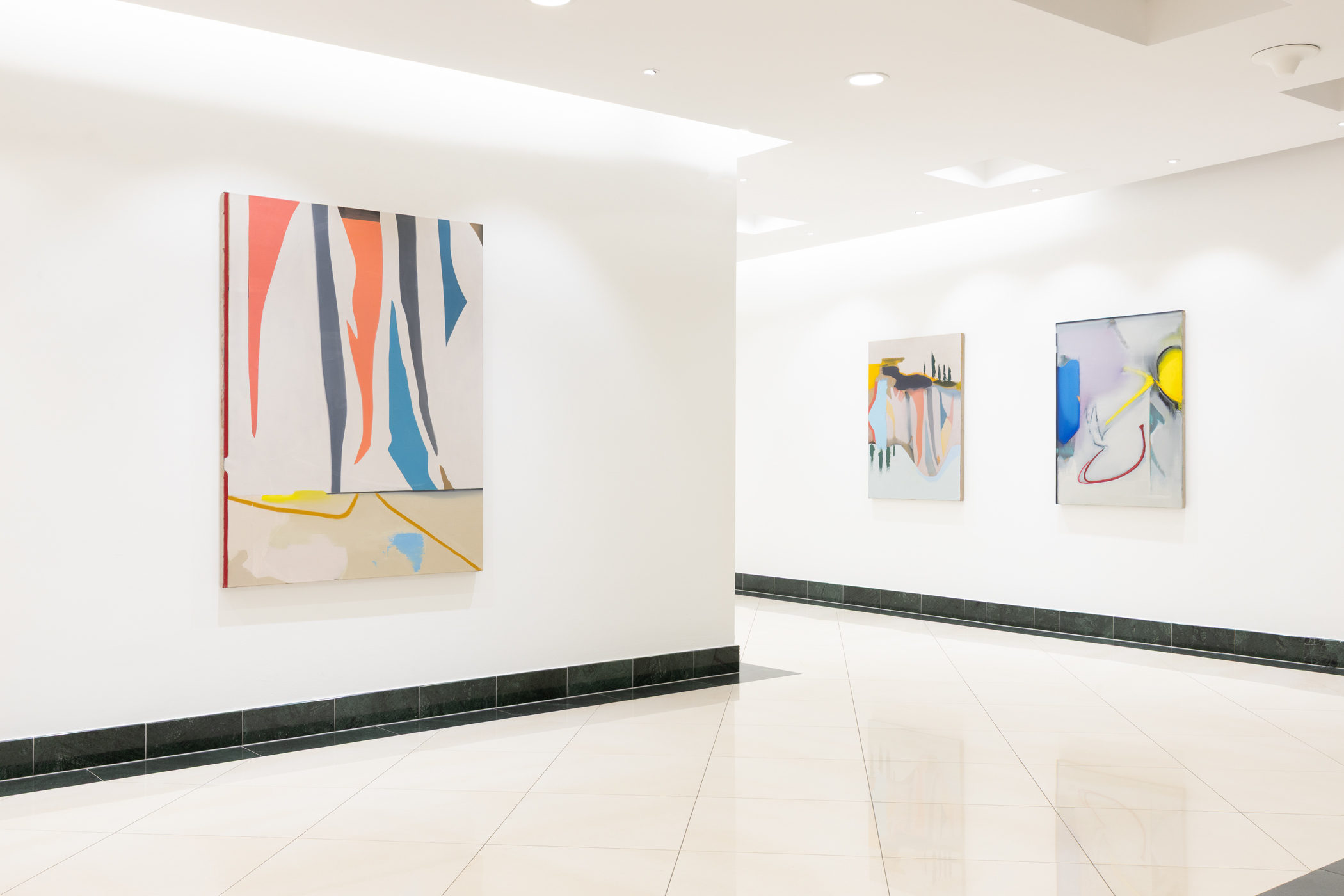
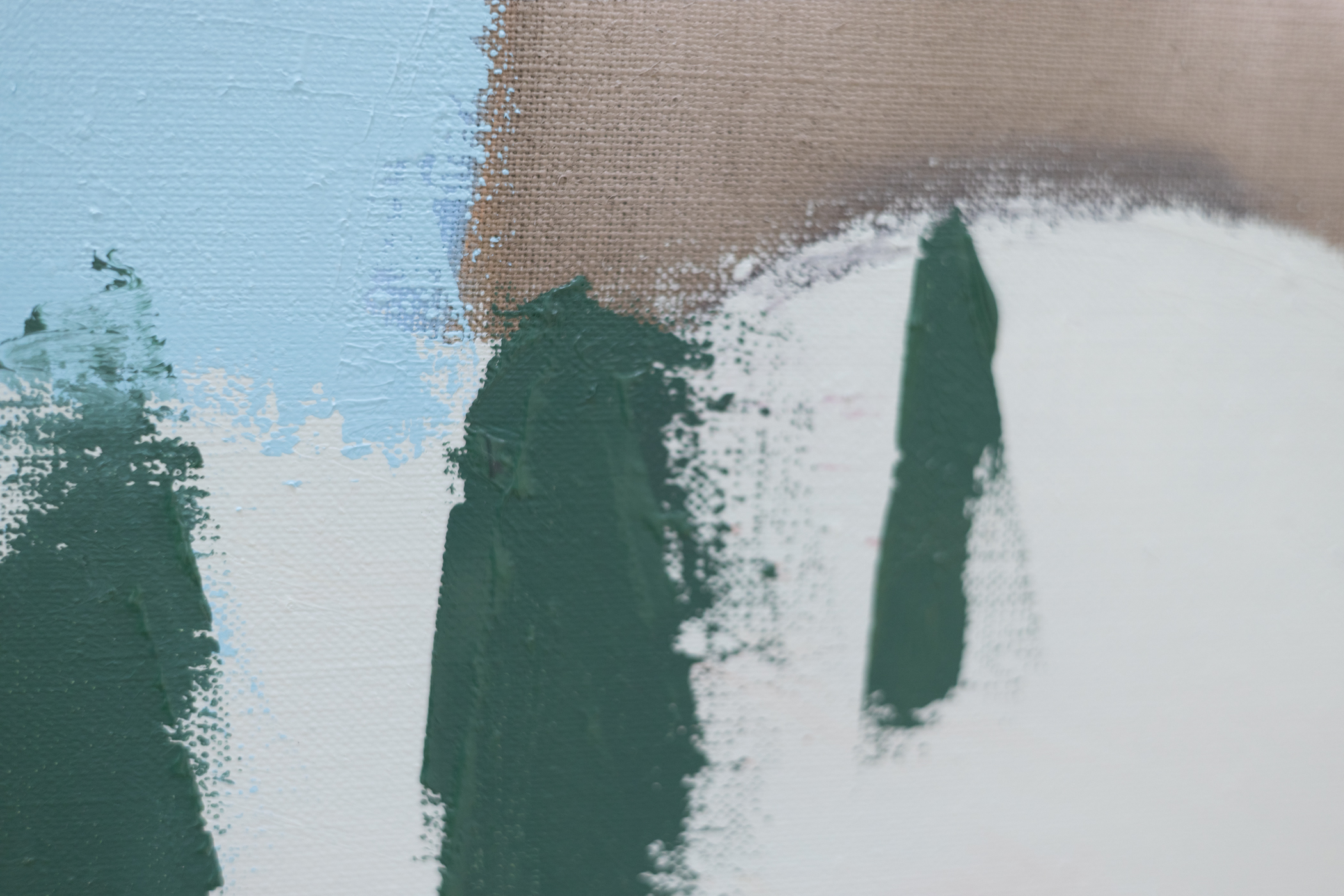
In Izvor Pende’s paintings, something appears only to disappear again almost immediately. Contours emerge, architecture seems on the verge of taking shape — and then everything dissolves once more into a fluid, unstable, almost atmospheric substance. Transparent planes, drifting lines, colored or blurred masses create a space in which what is visible remains unfinished. The image hesitates between abstraction and figuration, as though every form retained the trace of a vanished object or an inner landscape that cannot be named. Certain works, where a silhouette seems to surface from a blurred space only to dissolve back into it, discreetly recall the tension present in the work of Gerhard Richter between photographic revelation and painterly disappearance. Other, more organic passages evoke a more distant memory of Francis Bacon in their sense of unstable, emerging presence. Izvor Pende’s work thus moves within a liminal zone: between the constructed and the organic, presence and erasure, matter and breath.
This tension is also reflected in the artist’s use of color and light. Muted, milky, or mineral tones are suddenly interrupted by more vivid flashes — electric blues, radiant oranges, diffused pinks — which do not illustrate the composition but rather balance it, open it up, and set it in motion. And the light! It never seems to come from an identifiable source; it circulates across the canvas like a dispersed memory, at times absorbed by opaque areas, at others reflected by almost liquid surfaces. Certain sections appear to sink into a mist-like depth, while others assert an almost radical frontality, a kind of accepted “flatness” that reminds us that painting remains, above all, a surface. In Pende’s work, the image is a material presence.
With Pende, depth and indistinctness coexist without hierarchy. Planes overlap only to contradict one another; the gaze oscillates between immersion and suspension, unable to definitively grasp what it perceives. This instability becomes the true subject of the painting: the aim is not to depict a stable world, but to make visible the fragile moment when forms are still emerging from chaos, memory, or silence./ Silvia Van Espen
Izvor Pende was born in Zagreb, Croatia.
Pende studied painting at the Kunstakademie Düsseldorf, where he earned his bachelor’s degree in 2002 (under professors Karin Rissa and Markus Lupertz) and his master’s degree in 2005. Since 2003, Pende has exhibited his work in solo and group exhibitions across Europe and the United States. In 2005, he won the Ikob – Kunstpreis nomination, and in 2008, the BAT (British American Tobacco) Award. His artistic dialogue with German painter Daniel Richter began with the “Swimming Together” project, in which the two painters exhibited together at several museums and institutions, including the Museum of Fine Arts in Split in 2017, the Museum of Contemporary Art in Zagreb, and the Museum of Modern and Contemporary Art in Rijeka in 2018. In 2019, Izvor Pende presented his solo exhibition Golden Hours at the David Richard Gallery in New York, and in the same year, Pende participated in the exhibition Point of Interrupted Departures alongside artists Marijana Pende and Slaven Tolj, which took place during the 58th Venice Biennale at the Tesa 100 Pavilion in the Arsenale. In 2022 and 2026, he had a solo exhibition at the National Museum of Modern Art in Zagreb and his solo exhibition is currently on view at the Künstlerverein Malkasten in Düsseldorf, Germany. Izvor Pende’s artworks are represented in several European museums and various private collections.
V maľbách Izvora Pendeho sa niečo objaví a hneď nato zmizne. Obrysy sa vynárajú, architektúra sa akoby chcela vytvoriť – a potom sa všetko opäť rozpúšťa v tekutej, nestálej, takmer atmosférickej hmote. Priehľadné plochy, vznášajúce sa línie, farebné alebo rozmazané hmoty vytvárajú priestor, v ktorom viditeľné zostáva nedokončené. Obraz váha medzi abstrakciou a figuráciou, akoby si každý tvar zachoval stopu po zmiznutom objekte alebo vnútornej krajine, ktorú nie je možné pomenovať. Niektoré diela, kde sa silueta zdanlivo vynára z rozmazaného priestoru, aby sa v ňom opäť rozpustila, diskrétne pripomínajú napätie prítomné u Gerharda Richtera medzi fotografickým zjavením a maliarskym zmiznutím. Iné, organickejšie, pasáže nechávajú vyniknúť vzdialenejšiu spomienku na Francisa Bacona v tomto pocite nestálej, vznikajúcej prítomnosti. Pendeho dielo sa tak pohybuje v medznej zóne: medzi konštruovaným a organickým, prítomnosťou a vymazaním, hmotou a dychom.
Toto napätie sa prejavuje aj v autorovom použití farieb a svetla. Tlmené, mliečne či minerálne odtiene náhle prerušujú živšie záblesky – elektrické modré, žiarivé oranžové, rozptýlené ružové, ktoré kompozíciu neilustrujú, ale ju vyvažujú, otvárajú a uvádzajú do pohybu. A to svetlo! Nikdy nevidieť, že by pochádzalo z identifikovateľného zdroja; krúži po plátne ako rozptýlená spomienka, raz pohltená nepriehľadnými oblasťami, inokedy odrážaná takmer tekutými povrchmi. Niektoré časti sa sťaby ponárajú do hmlistej hĺbky, zatiaľ čo iné si nárokujú takmer radikálnu frontalitu, akúsi prijatú „ploskosť“, ktorá pripomína, že maľba zostáva predovšetkým povrchom. Obraz je v podaní autora hmotná prítomnosť.
U Pendeho sa hĺbka a nevýraznosť stretávajú bez akejkoľvek hierarchie. Roviny sa navzájom prekrývajú a následne si protirečia; pohľad kolíše medzi ponorením a pozastavením, neschopný definitívne zachytiť to, čo vníma. Táto nestálosť sa stáva skutočným predmetom maľby: nejde o to ukázať stabilný svet, ale zviditeľniť krehký okamih, keď sa formy ešte len vynárajú z chaosu, spomienok alebo ticha./ Silvia Van Espen